November 4–7, 2025, Eberswalde University for Sustainable Development, Germany
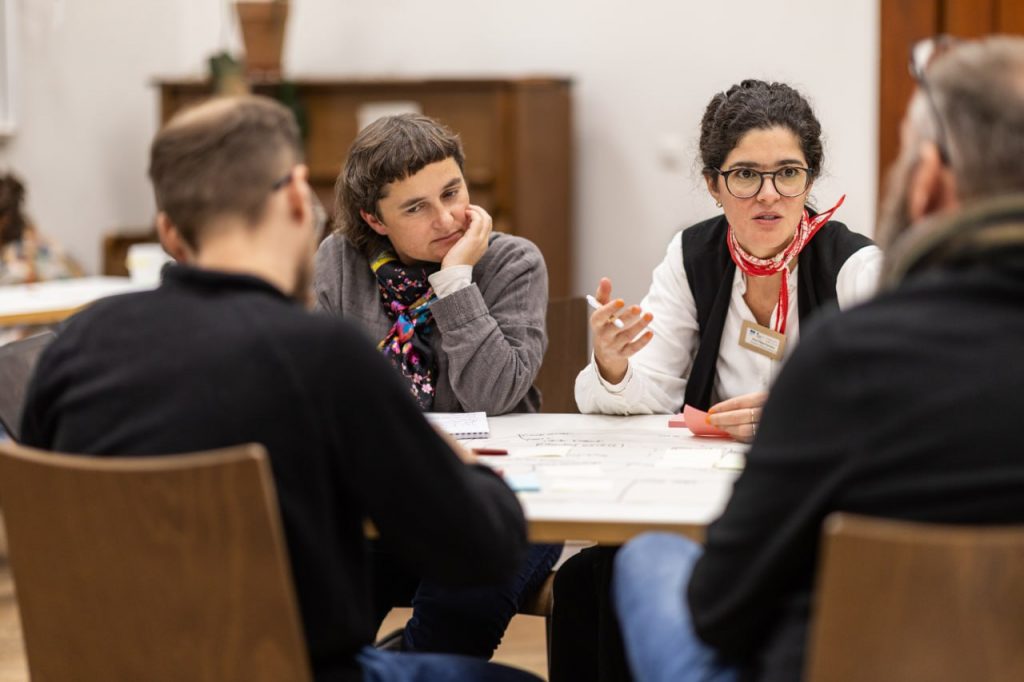
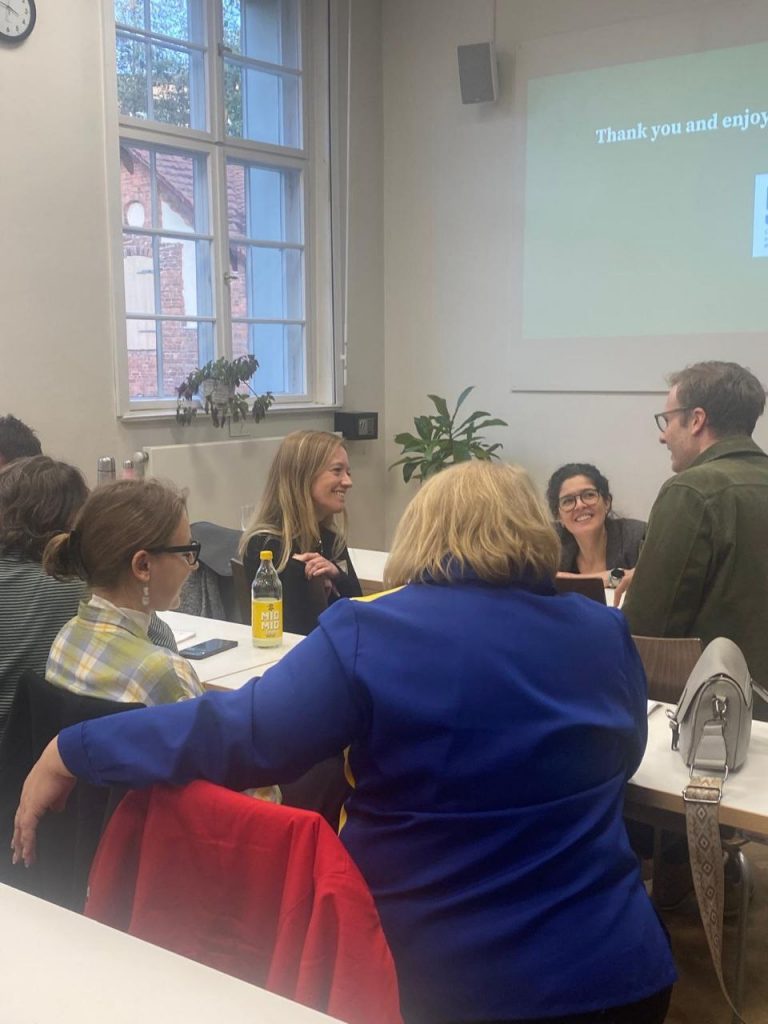
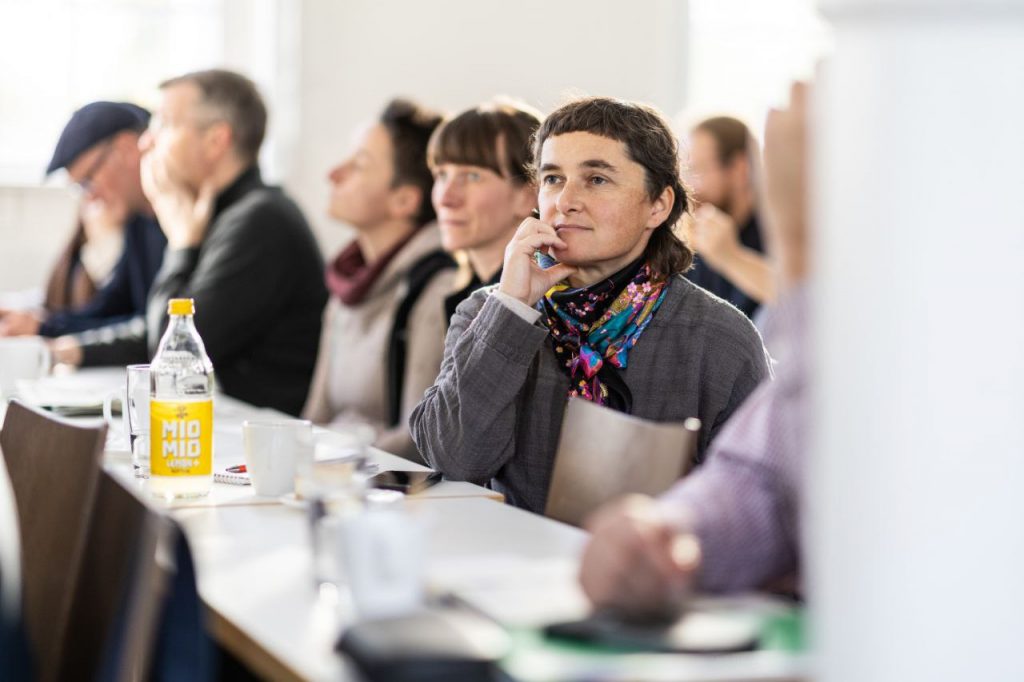
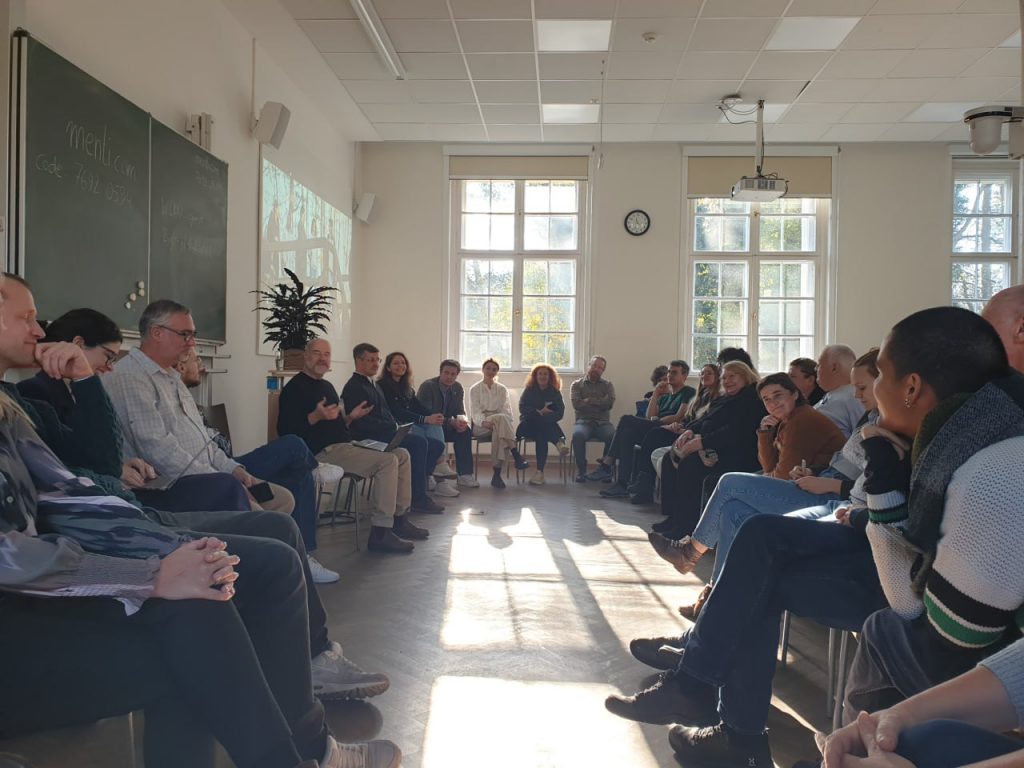
The Workshop «Collaboration in European UNESCO Biosphere Reserves», organised by the Biosphere Reserves Institute (BRI) under the auspices of UNESCO, brought together practitioners and researchers from across Europe to advance understanding of collaboration mechanisms in biosphere reserves and facilitate collective learning through the exchange of good practices.
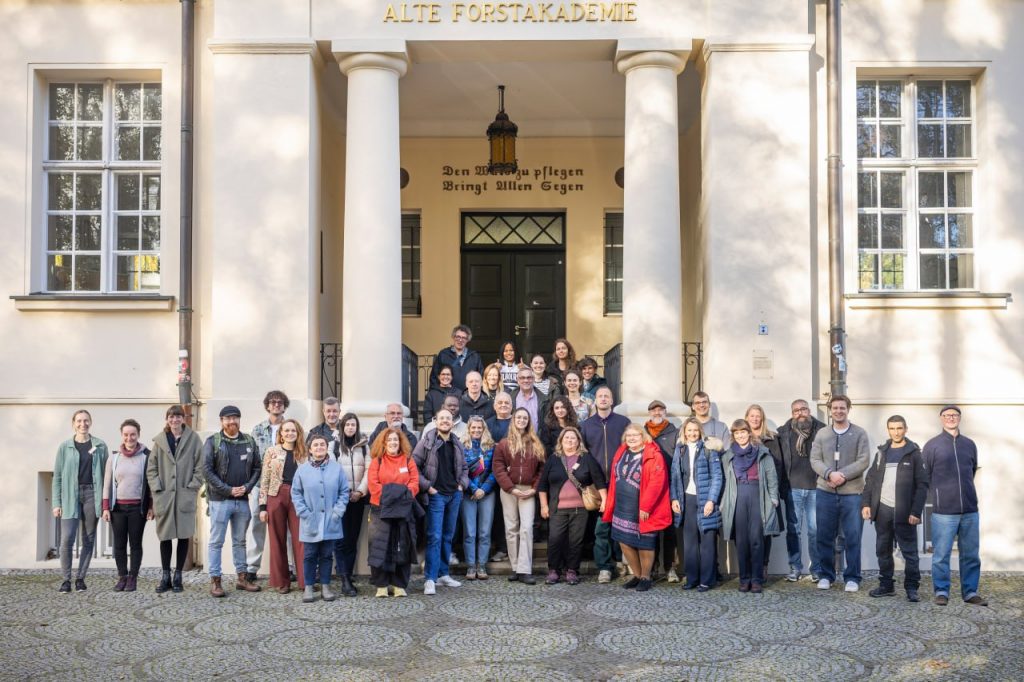
The event gathered participants representing biosphere reserves and universities from 18 countries: Albania, Armenia, Austria, Belgium, Bulgaria, Finland, France, Germany, Greece, Hungary, Ireland, Italy, Montenegro, Portugal, Romania, Spain, Sweden, and Ukraine.
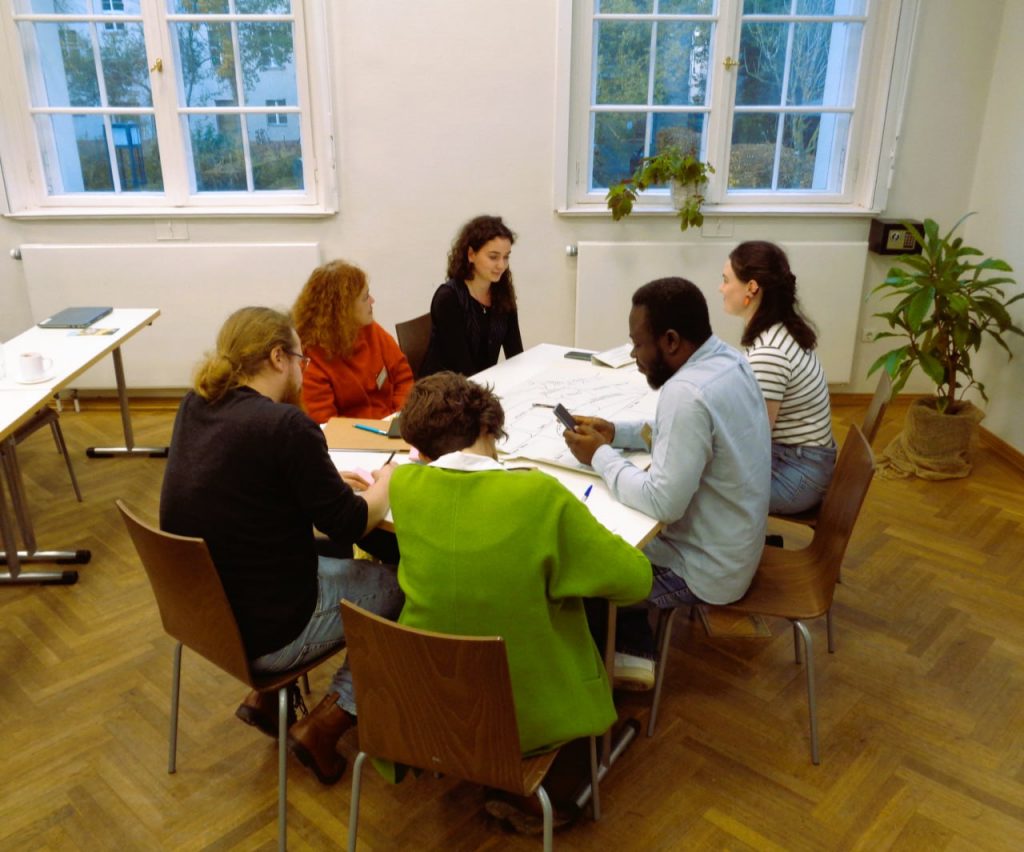
The four-day programme featured thematic sessions on Transdisciplinary Research (moderated by Prof. Dr. Heike Walk), MAB Regional and Thematic Networks (moderated by Prof. Dr. Denise Matias), Collaborative Design for Wiser Action (moderated by Charlotte Griestop), and Governance (moderated by Prof. Dr. Martin Welp). The opening day included a panel discussion «UNESCO MAB Programme – Dimensions of Collaboration» with participants from the Skadar/Shkodra Lake Watershed Transboundary Biosphere Reserve, Dublin Bay Biosphere Reserve, Desniansky Biosphere Reserve, and the University of Edinburgh.
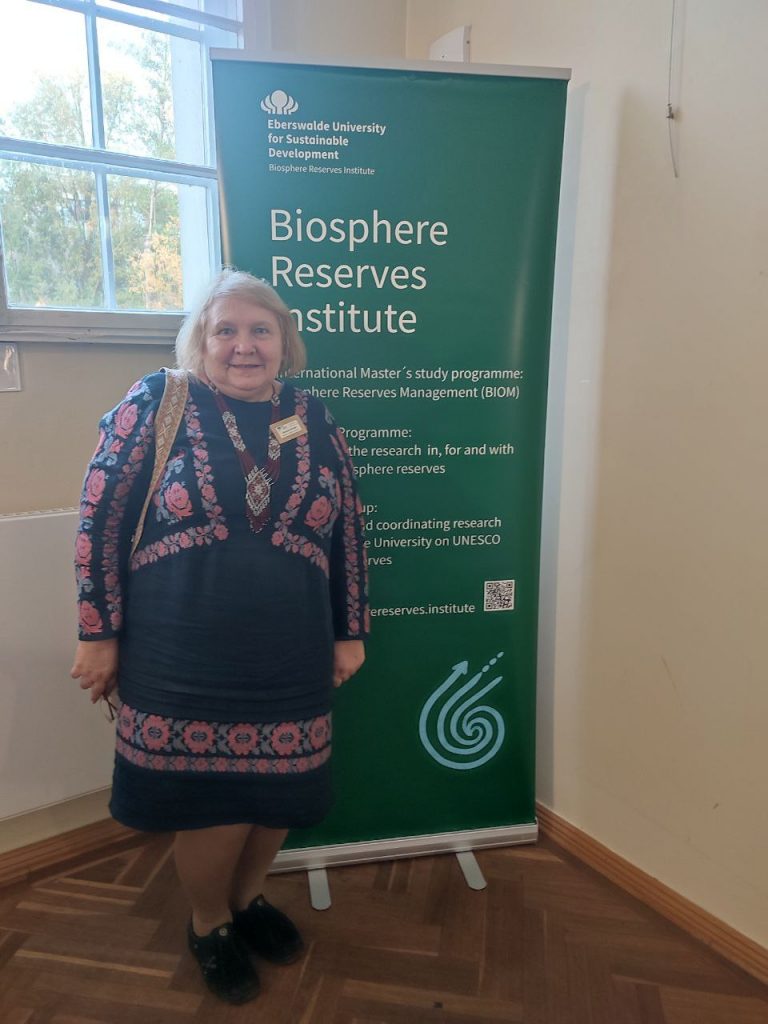
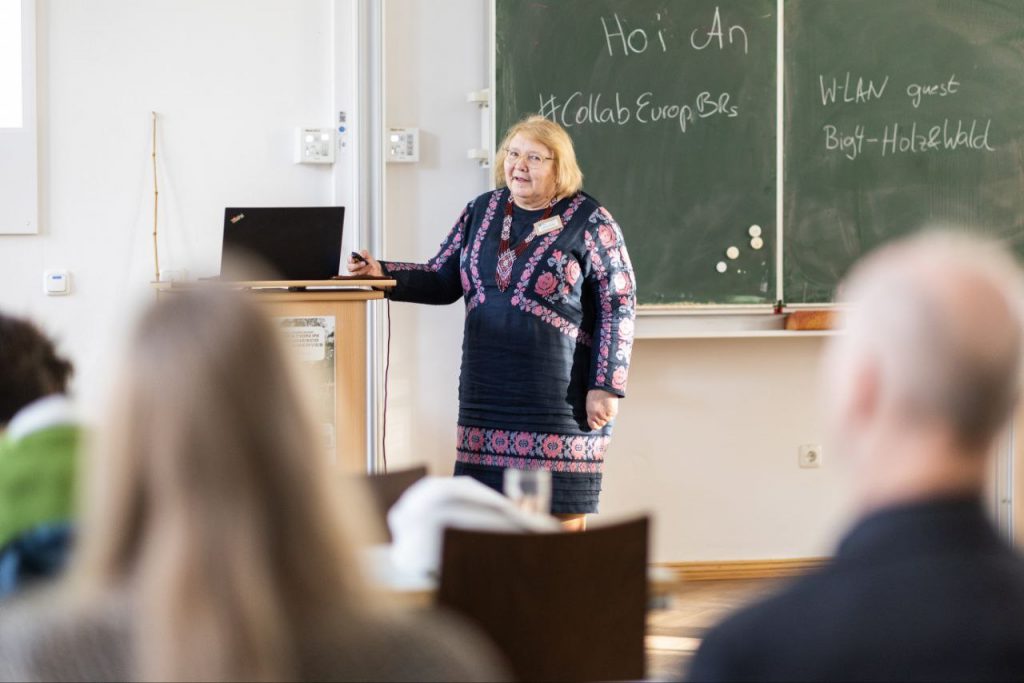
Within the session «Collaboration within MAB Regional and Thematic Networks», Prof. Dr. Viktoriya Khrutba from the National Transport University presented «Experience of Creating a Protected Area Research Community for Ukrainian Recovery». The presentation described the current situation in biosphere reserves and national nature parks of Ukraine, with a primary focus on identifying approaches to mitigate the impact of military actions on biodiversity preservation and environmental protection.
The presentation introduced the Protected Area Research Community for Ukrainian Recovery (PARCUR) — parcur.org — a collaborative initiative supporting Ukraine’s ecological, social, and educational recovery through nature-based solutions, joint research, and international cooperation. The development of this community is facilitated by a collaborative academic space for professional development, knowledge exchange, and transdisciplinary cooperation hosted at ukrdigital.hnee.de.
An important outcome of the discussions was the identification of common ideas and potential projects. Participants shared examples of cooperation networks between biosphere reserves and universities. Johanna MacTaggart (Swedish MAB Committee, Stockholm Resilience Centre) presented «Biosphere for Baltic – International Cooperation for a Sustainable Baltic Sea», while Núria Pou Àlvarez (International Centre for Mediterranean Biosphere Reserves, UNESCO Category 2 Centre) spoke about «The Mediterranean Biosphere Reserves Network: Weaving Mediterranean Resilience Together».
On Thursday, participants embarked on a full-day excursion to the Spreewald Biosphere Reserve, where they were welcomed by Mayor Helmut Wenzel and Reserve Director Eugen Nowak. The programme included a visit to the House for Man and Nature exhibition, the Göritzer Agrar GmbH farm demonstrating value creation in landscape conservation through biomass generation, and landscape conservation areas with extensive grassland use of peatland.
The workshop concluded with a session on Governance featuring presentations on the Dilijan Biosphere Reserve (Armenia), Elbe River Landscape Biosphere Reserve (Germany), and collaborative water governance in the Koitajoki River Basin (Finland), followed by collaboration mapping and a closing session.